Need septic tank pumping services in Harrison?
Tell us what you are seeing, smelling or hearing. Send a request and a local provider from our network can follow up with an estimate. No obligation to hire.
No obligationRequest an estimate today
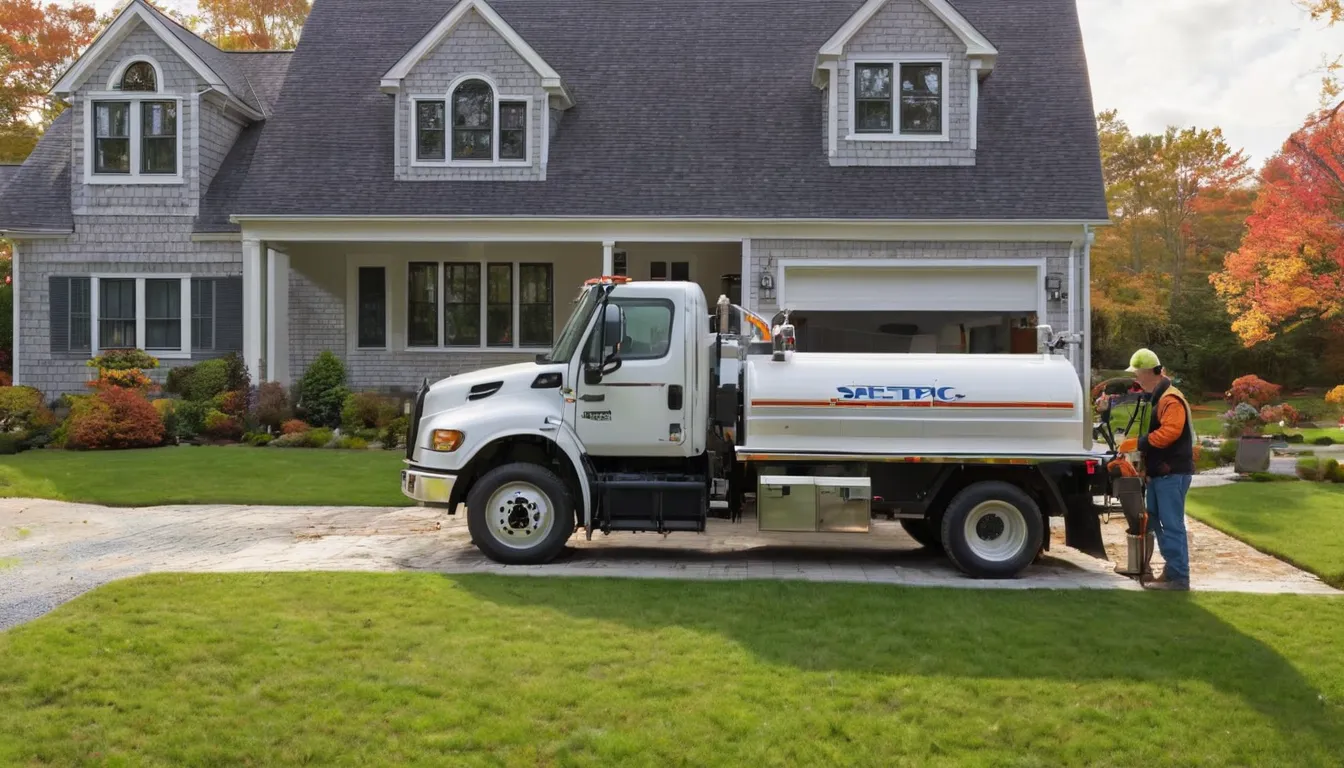
Your septic tank holds solids and wastewater until a pump truck hauls them away. Let it fill too far, and sludge can slip into the drainfield. That is where a cheap fix turns into a costly one.
Lordliverpool Septic is a referral service. We do not pump tanks. We connect homeowners in Harrison and the Harrison area with independent providers in our network. You read the warning signs, try the safe checks, then request an estimate. Compare what each provider offers at your own pace, with no obligation to hire anyone.
Grab a flashlight and a notepad. Walk through the house and the yard. Write down what you see, hear and smell.
One sign is a hint. Two or three together is a reason to act this week.
You can check a lot yourself. You can note when the tank was last pumped, find the lid, and look for wet ground. You can also cut back on water use.
Do not open a tank lid and climb in or lean over it. Septic gas is dangerous, and a fall can be deadly. Heavy concrete lids can also crack or slip. Leave the lid work to a provider.
This is the most urgent case. If wastewater is coming up in a tub or floor drain, stop using water. No laundry, no dishwasher, no showers.
Keep kids and pets away from the wet area. Open a window if there is a smell. Then Request a callback to check provider availability, since many providers can respond quickly to a backup.
If you want an emergency septic cleaning, say so when you reach out. Ask what the provider can do and when they can arrive.
Solids settle in your tank and form sludge. Grease floats and forms a scum layer. Water in the middle flows out to the drainfield.
When sludge and scum build up, less clear water gets through. Solids can then reach the drainfield and clog the soil. Drainfield repair is often far more costly than regular pumping. Pumping on schedule is the cheap insurance.
Many households pump about every three to five years. It depends on tank size, how many people live in the home, and how much water you use. A garbage disposal adds more solids, so those tanks fill faster.
Check your records. If you do not know the last pump date, treat that as a warning sign and get the tank looked at.
The provider finds and uncovers the lid. A hose goes in, and the truck pulls out the liquid and sludge. Many providers also check the baffles and look for cracks or signs of backflow.
Ask to see the tank interior once it is empty. Take photos and add them to your notepad. Those notes help the next time you compare estimates.
Cold snowy winters bring frozen ground and buried lids. Mark your lid location in fall with a stake or a sketch. Snow cover makes it hard to find later.
Spring snowmelt and coastal storms can saturate the soil. A drainfield already near its limit may then show trouble. Pumping before the wet season gives it breathing room.
Older homes with full basements, stone foundations and block walls can have long or odd pipe runs. Multi-family and Cape Cod style homes often put more people on one system. Tell the provider about your layout so they plan the right hose length and access.
Do not take the first number you hear. Request an estimate and put two or three side by side. Look at what is included, not just the total.
Buyers often want a pump and inspection before closing. Sellers can pump ahead of listing and keep the receipt. A recent pump record can ease worries on both sides.
If the property also has a private well, ask a provider about water well service so you know the full picture.
Write the answers down. Then Request a callback if you want to talk through options, or use the request form.
A provider removes liquid, sludge and scum from the tank so solids stop moving toward the drainfield.
Many visits include a look at inlet and outlet baffles for cracks or damage.
If sewage is backing up, ask providers about urgent cleaning and what availability they have.
Ask for tank size, condition and a suggested next pump date in writing for your records.
Prices vary by tank size, access, distance and how full the tank is. These are typical U.S. ranges only. Get a written quote from each provider before you agree to any work.
| Item | Typical range | Notes |
|---|---|---|
| Routine pumping, standard tank | $300 – $650 | Most common for 1,000 to 1,500 gallon tanks |
| Large tank pumping | $500 – $1,000 | Bigger tanks hold more and take longer |
| Emergency or urgent visit | $450 – $1,000 | Rates may be higher for rush or off-hour requests |
| Digging to uncover lid | $100 – $350 | Buried or snow-covered lids add labor |
| Riser and lid install | $300 – $900 | Makes future pumping and checks easier |
| Baffle or filter repair | $150 – $600 | Depends on part and access |
Note slow drains, odors, gurgles and wet spots. Write down dates and find your last pump record.
Fill in the request form with your tank size, home layout and symptoms.
Look at what each quote includes, then ask questions about anything unclear.
Pick a provider, be present for the visit if you can, and file the receipt.
A routine pump and a quick look can reveal cracked baffles or leaks before they reach the drainfield.
Keeping solids in the tank helps your drainfield soil keep absorbing water as it should.
Request estimates and compare scope, price and timing before you decide, with no obligation.
Pumping on a schedule often costs less than repairs after a backup.
Tell us what you are seeing, smelling or hearing. Send a request and a local provider from our network can follow up with an estimate. No obligation to hire.
No obligationSlow drains, gurgling pipes, sewage smells and soggy grass over the drainfield are common signs. A backup in a floor drain is more urgent. A provider can confirm by checking the tank.
Many homes pump every three to five years, but it depends on tank size, household size and water use. Check your records and ask a local provider what fits your system.
No. Tank gas is dangerous and waste needs proper hauling and disposal. You can check signs, find the lid and cut water use, then request an estimate from a provider.
Tell us what you are seeing, smelling or hearing. Send a request and a local provider from our network can follow up with an estimate. No obligation to hire.
No obligation