Need sewer line repair in Harrison?
Tell us what you are seeing, smelling or hearing. Send a request and a local provider from our network can follow up with an estimate. No obligation to hire.
No obligationRequest an estimate, no obligation
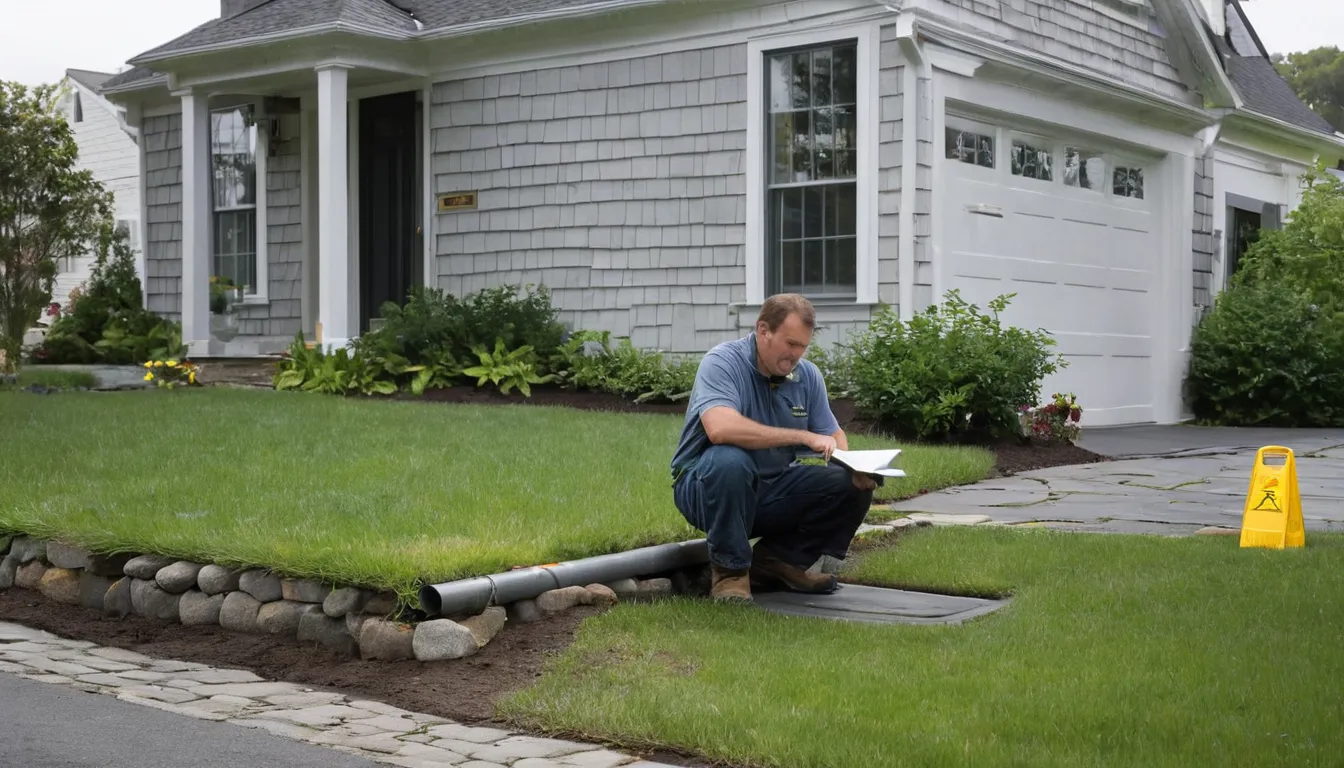
A sewer line carries everything from your drains out to the street or your septic tank. When it cracks, clogs or sags, the signs often show up slowly. A gurgle here, a damp patch in the yard there. Catching those clues early can mean a smaller fix.
Lordliverpool Septic is a referral service. We do not do the digging, lining or replacing. We connect you with independent providers in our network around the Harrison area. You can request an estimate, compare the written quotes at your own pace, and decide with no obligation. This page walks you through what to check, what you can safely do yourself, and when to hand the job to a provider.
Stop the water first. Skip the shower, the washer, the dishwasher and the sink. Every gallon you send down has nowhere to go but back into your home.
Next, look at where it shows up. One slow drain is usually a local clog. Backup in several fixtures at once, or a wet basement floor drain, points to the main line.
A hand plunger on one fixture is fine. A small drain snake on a short run is fine. Once sewage rises in more than one spot, stop. Skip the chemical openers too. They can burn skin and make a provider's job harder. Request a callback to check provider availability, or use the request form.
Check it early. Small clues show up weeks or months before a full backup.
Walk the yard with a flashlight and a notepad. Look for a soggy strip, a sunken patch, or one stripe of extra-green grass. Mark each spot with a flag and sketch where it sits compared to the house and the cleanout. That sketch is handy when a provider asks where the trouble started.
Roots slip into tiny joints and grow into thick mats. Older homes may have clay, cast iron or fiber pipe that cracks, flakes or sags with age. If your house is older, ask what the line is made of.
Cold winters push frost deep into the soil. Spring snowmelt then soaks the ground and shifts it. Pipes can bend, pull apart or crack, especially where they pass through a stone or block foundation wall. Grease and flushed wipes add to the problem by building up on rough spots.
Most providers start by sending a small camera down the line. You see the pipe on a screen, and the provider can mark the depth and location of the damage. Ask to see the footage or get a copy.
Simple blockages may need only cleaning. A single broken section may call for a spot repair, where the provider digs a small hole. Trenchless options, such as lining the old pipe or pulling a new one through it, can mean less digging. Badly collapsed pipe may need a full replacement in an open trench. The right choice depends on pipe condition, depth and what sits above it.
Compare, then decide. Ask each provider to quote the same scope in writing, so the numbers line up. Look at the method, the materials, the cleanup plan and what happens if they find more damage once work begins. A quote that is far above or below the rest deserves a question, not a rush.
Some policies may cover sudden damage, so check your policy before you sign. Providers can often help document damage for a claim.
The line usually belongs to you from the house to a set point, often near the property edge or the street connection. Past that point it may belong to the local sewer authority. Digging often needs a permit, and utility lines must be marked before any dig. Ask the provider who handles the permit and the marking, and check local rules.
Ask upfront what happens after the pipe is fixed. Will the provider backfill and compact the soil? Is sod, seed or a patch of pavement part of the quote, or do you handle it? Trenchless work often leaves less to restore. Take photos of the yard before work starts.
The pipe from your house to the tank is still a sewer line. A provider may also look at the tank, suggest septic tank pumping, or point out drainfield repair if soggy ground suggests a bigger issue. Strong odors or sewage at the surface may call for emergency septic cleaning. If you have a private well nearby, ask about water well service too.
A small camera shows cracks, roots, sags and blockages so you see the real problem before work is quoted.
Snaking or jetting clears roots, grease and debris when the pipe itself is still sound.
A damaged section may be dug out and replaced, or lined from inside with less digging.
When pipe has collapsed or failed in many places, a provider can replace the full run.
These are typical U.S. ranges, and real prices vary by pipe depth, length, access and local rules. Get a written quote from each provider before you decide.
| Item | Typical range | Notes |
|---|---|---|
| Camera inspection | $100 – $500 | Often worth it before any dig |
| Main line snaking | $150 – $600 | Works for clogs, not broken pipe |
| Hydro jetting | $300 – $900 | Clears heavy roots and grease |
| Cleanout installation | $300 – $1,500 | Makes future access easier |
| Spot repair | $1,000 – $4,000 | Depends on depth and surface |
| Trenchless lining | $3,000 – $10,000 | Less digging, depends on length |
Note which drains are slow, what you smell and any wet or sunken spots in the yard.
Tell us about the problem through the form. We pass your details to local providers.
Look at method, materials, cleanup and timing side by side, with no pressure.
Pick the one that fits your needs and schedule, or decide to wait.
Request an estimate, read the written quotes, and take your time. There is no obligation.
Providers in our network are separate local businesses that handle the actual sewer work.
Learn the warning signs and safe first steps before you talk to anyone.
We say clearly where DIY ends and a provider should step in.
Tell us what you are seeing, smelling or hearing. Send a request and a local provider from our network can follow up with an estimate. No obligation to hire.
No obligationLook for slow drains in several rooms, gurgling toilets, sewer smells, wet floor drains or soggy patches in the yard. A camera inspection from a provider can confirm what is happening underground.
You can plunge a single fixture, snake a short run and map the cleanout. Digging, cutting pipe or relining belongs to a provider, since mistakes can damage the line and cost more.
Typical U.S. costs run from a few hundred dollars for cleaning to many thousands for replacement. Depth, length and access change the price, so compare written quotes before deciding.
Tell us what you are seeing, smelling or hearing. Send a request and a local provider from our network can follow up with an estimate. No obligation to hire.
No obligation